
How Infrared Thermal Imaging Is Used in Consumer Electronics
As consumer electronics continue to evolve into smarter sensing devices, the demand for more accurate, intuitive, and timely temperature monitoring is growing. Infrared thermal imaging provides non-contact temperature measurement and, when combined with AI algorithms, can help devices move from simply responding to commands toward more proactive functions.
At the same time, continued advances in infrared technology and lower component costs are expanding their use across smart home devices, wearables, health management and everyday maintenance.
What Makes Infrared Thermal Imaging Useful in Consumer Electronics?
1) Real-Time Temperature Monitoring
Thermal imaging can continuously capture temperature changes in people, environments, and household appliances, while monitoring abnormal temperature rises that may indicate potential equipment issues.
Area-Based Thermal Visualization
Unlike single-point measurement, thermal imaging shows temperature distribution across an entire area, making warmer and cooler regions easier to identify and compare at a glance.
2) Non-Contact Temperature Measurement
Temperature information can be collected without direct physical contact, allowing people and objects to be measured without physical interaction. This is particularly useful for health monitoring and care-related applications.
3) Low-Light Imaging and Privacy Protection
Thermal imaging can operate in dark environments without visible illumination, supporting monitoring when conventional imaging is limited. Compared with visible-light images, thermal images reveal fewer identifiable facial details, making them useful for certain private-space applications.
What Are the Key Applications of Thermal Imaging in Consumer Electronics?
1) Smart Home
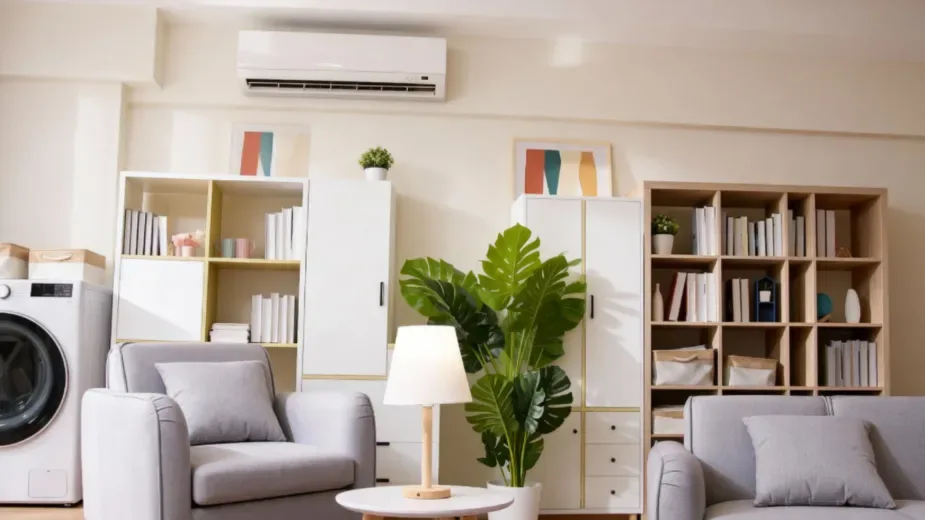
Infrared thermal imaging provides smart home devices with temperature data that can support automatic control and adjustment.For air-conditioning systems, thermal imaging can monitor the number and location of people in a room and support dynamic adjustment of airflow. In kitchen appliances, thermal imaging can monitor food and cookware conditions, support temperature-related control or user reminders, and identify abnormal temperature increases.
2) Health Management and Care
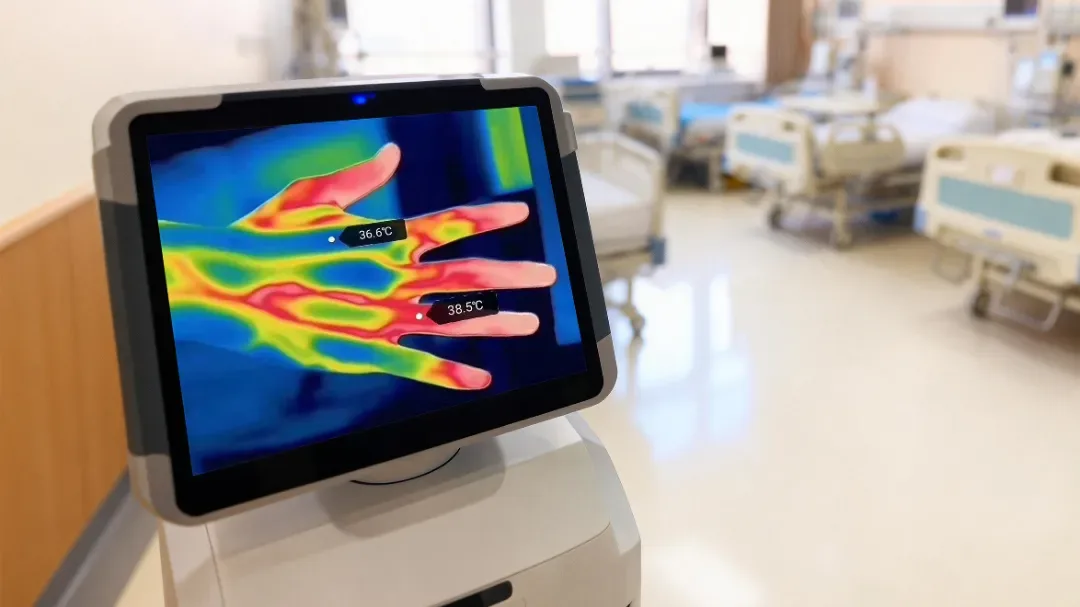
Infrared thermal imaging can support continuous, non-contact monitoring of body temperature and help identify abnormal temperature changes over time. In home-care applications, thermal images can be used to assess an elderly person’s posture and detect falls. In hospitals and care facilities, thermal imaging can support patient monitoring by identifying fever or abnormal temperature changes and providing automatic alerts. It can also provide information about temperature distribution across the skin surface as supplementary data for medical assessment.
3) Device Maintenance
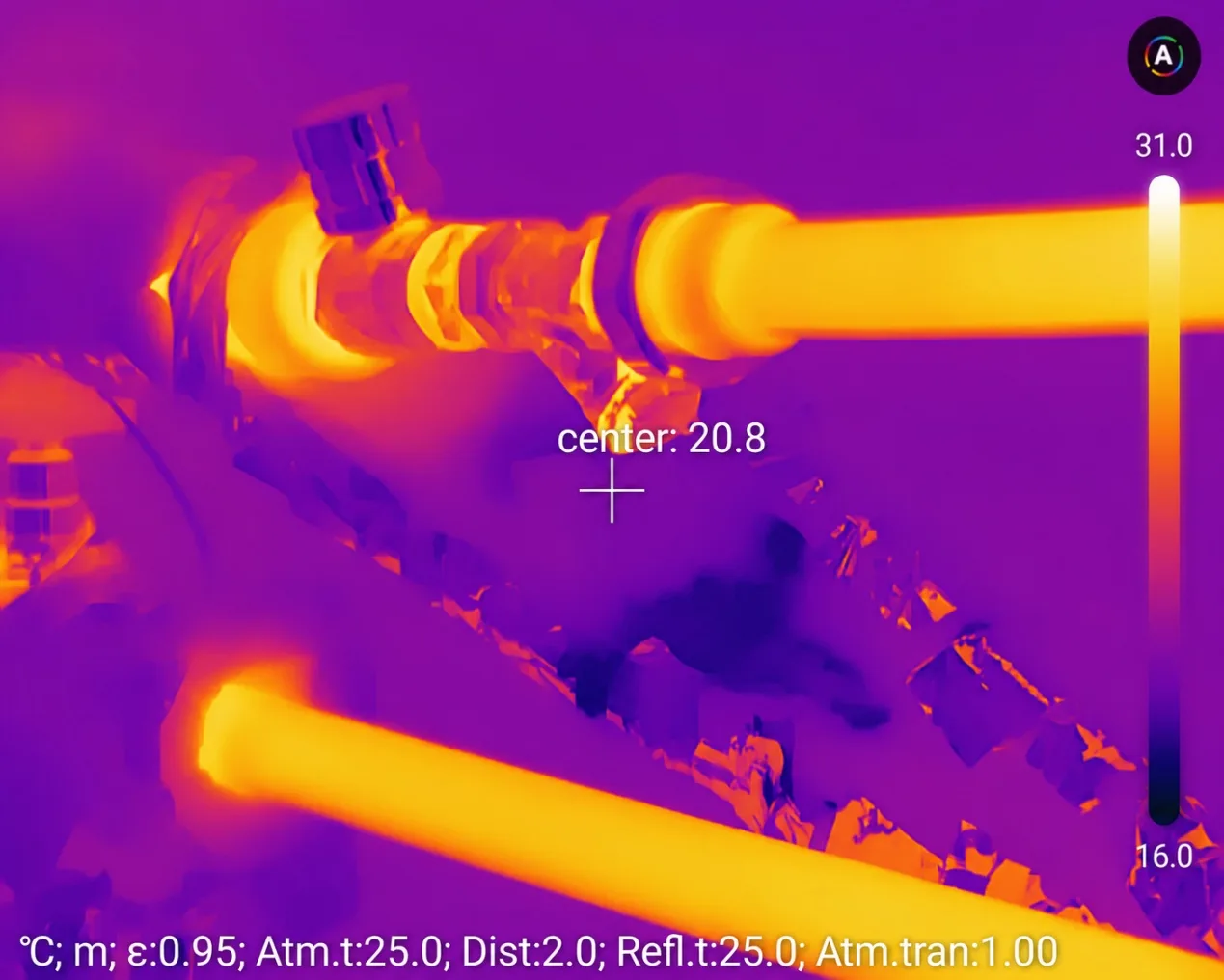
Thermal imaging also makes some household inspection tasks accessible to ordinary users. With rugged phones, smartphone thermal accessories, or handheld devices, users can perform floor-heating checks, assess home heating conditions, identify possible pipe leakage, and inspect household electrical equipment for faults without waiting for on-site professional inspection.
What Thermal Imaging Products Does Raytron Microelectronics Offer?
Raytron Microelectronics offers a range of infrared thermal imaging products for different consumer electronics applications. The product portfolio described in the original article covers resolutions from 104 × 104 to 1280 × 1024, with multiple lens options and both fixed-focus and zoom configurations.
1) Miniature Infrared Modules
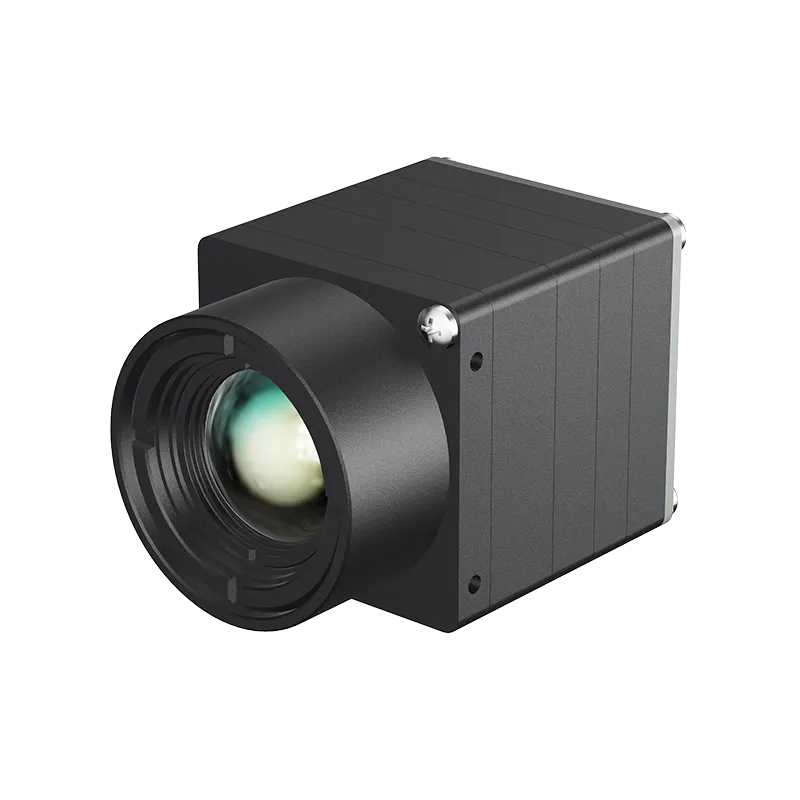
Miniature infrared modules feature compact size, low weight, and low power consumption, making them suitable for integration into products such as smart wearables, portable terminals, and household appliances.
2) Dual-Spectrum Modules
These modules combine infrared and visible-light imaging and supports both Android and iOS, providing flexible options for integration into different consumer devices.
3) Integration and Development Support
The modules support interfaces including DVP, VOSPI, MIPI, and USB. SDKs, command sets, and related technical support are also available to help customers with secondary development and product integration.
Conclusion
Infrared thermal imaging adds a new sensing dimension to consumer electronics by turning temperature distribution into information that devices and users can act on. From automatic control and care-related monitoring to everyday inspection, thermal data can help products respond more effectively to real-world conditions.