
How Infrared Thermal Imaging Supports Industrial Monitoring and Early Warning
Visible-light imaging plays an important role in many monitoring systems, but its performance can be affected by darkness, low illumination, glare, fog, smoke, and other challenging environmental conditions. Infrared thermal imaging provides another source of information by detecting thermal radiation emitted by objects rather than relying on visible light.
Thermal imaging can maintain stable performance under changing lighting and weather conditions, while temperature data helps identify abnormal heat patterns at an early stage, supporting continuous monitoring and faster response.
What Makes Infrared Thermal Imaging Suitable for Monitoring?
Reliable Imaging in Low-Light Conditions
Infrared thermal imaging does not depend on visible illumination. By sensing thermal radiation from people, vehicles, equipment, and other objects, it can continue producing thermal images in darkness or low-light environments.
Better Visibility in Challenging Weather
Fog, rain, snow, smoke, and dust can reduce the clarity of conventional visible-light images. Thermal imaging can continue to reveal temperature differences under many of these conditions, helping monitoring systems maintain more consistent scene information.
Accurate Detection and Proactive Early Warning
Thermal imaging adds temperature information to conventional visual monitoring. By identifying abnormal temperature rises in electrical equipment, transformers, and other components, systems can detect developing problems before they become more serious, supporting earlier assessment and alerts.
Flexible System Integration
Thermal imaging can be incorporated into fixed monitoring systems, mobile inspection equipment, and automated alert systems. It can also be linked with other equipment, allowing abnormal thermal conditions to trigger alerts or related response functions.
How Does Infrared Thermal Imaging Support Different Monitoring Applications?
Industrial and Facility Monitoring
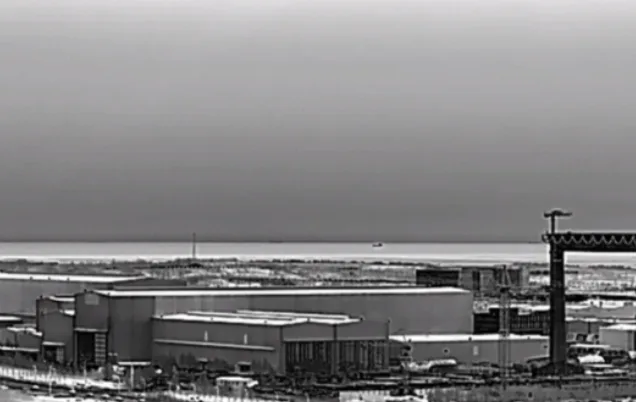
Industrial sites, power facilities, warehouses, and similar locations often require continuous monitoring of equipment and operating conditions. Thermal imaging can identify unusual heat patterns and changes in equipment temperature while supporting both daytime and nighttime monitoring.
Perimeter Monitoring
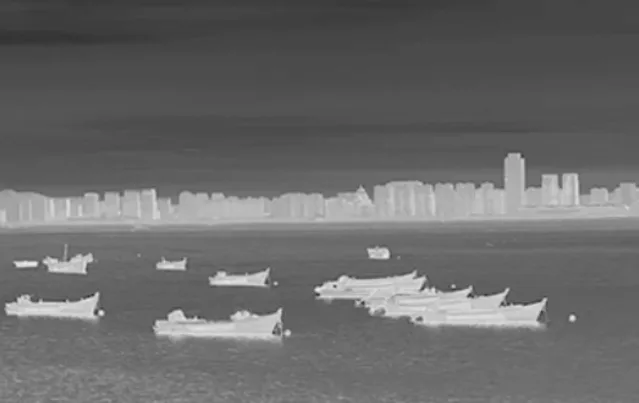
Infrared thermal imaging can support continuous monitoring around large sites and outdoor areas, particularly where lighting conditions vary or visible-light imaging becomes less effective. By detecting thermal differences across the monitored area, it can provide clearer information in darkness and other challenging conditions, supporting more consistent observation across site perimeters.
Urban and Transportation Monitoring
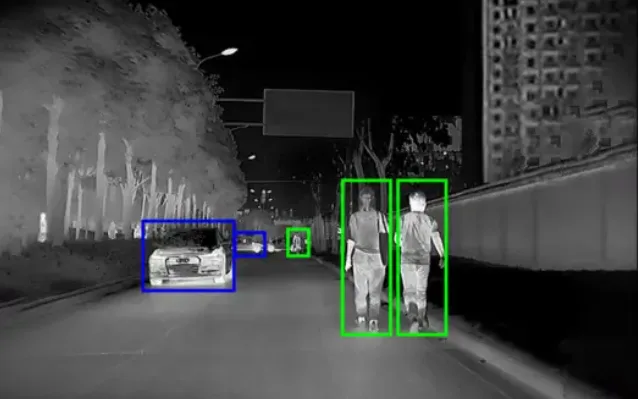
On urban roads and in residential areas, thermal imaging can maintain clear imaging in low-light or hazy conditions without relying on strong auxiliary lighting, helping reduce disturbance to nearby residents. At high-speed rail stations, ports, airports, and other transportation hubs, thermal imaging can maintain stable imaging as lighting conditions change, supporting more consistent monitoring in busy areas where visibility may vary throughout the day.
Fire Early Warning
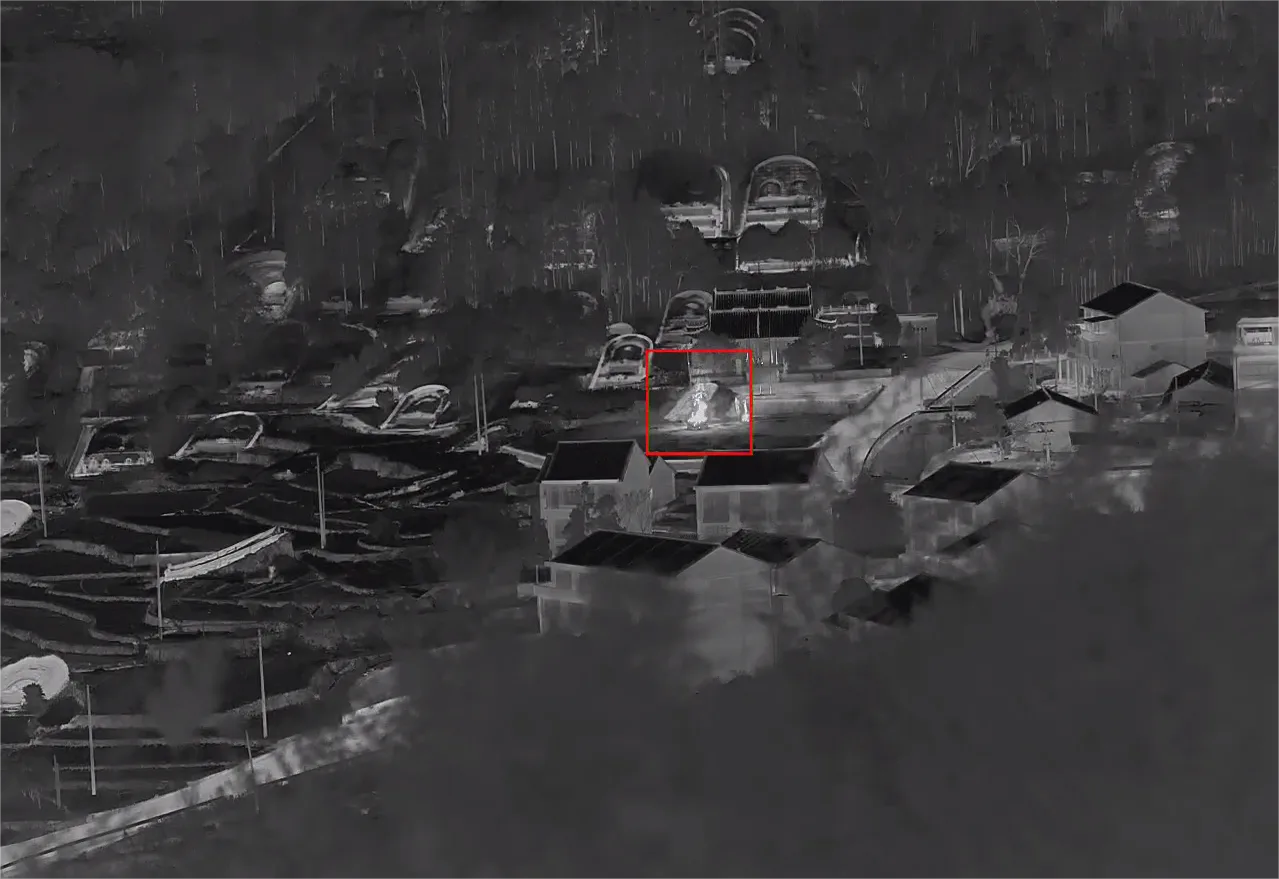
Thermal imaging can continuously track temperature distribution and identify abnormal heat buildup before visible signs of fire appear. By detecting localized temperature rises early, it can support faster alerts and provide more time for further inspection and response.
What Thermal Imaging Products Does Raytron Microelectronics Offer?
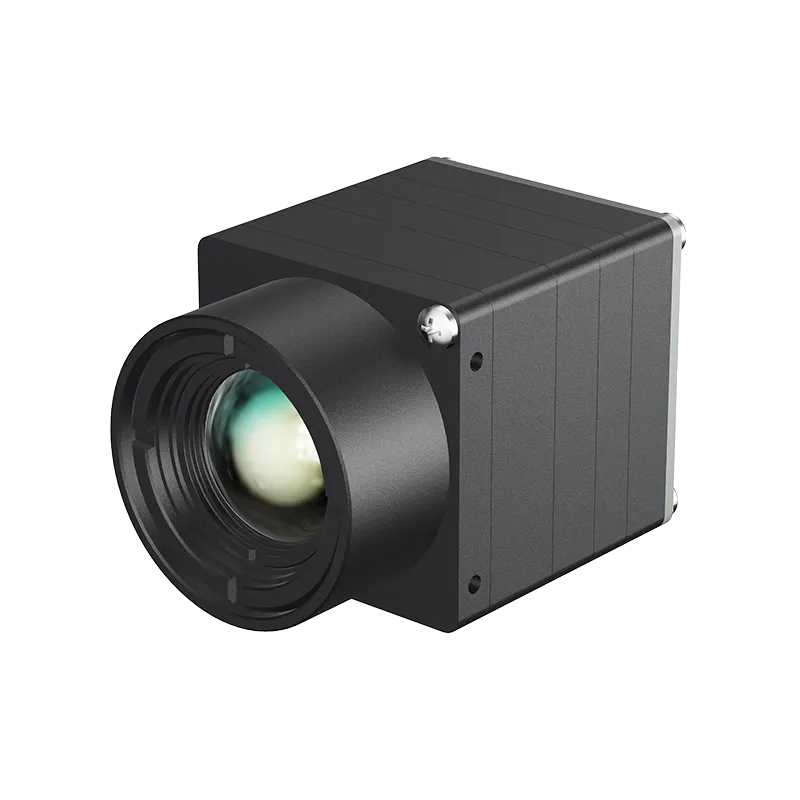
LWIR Modules
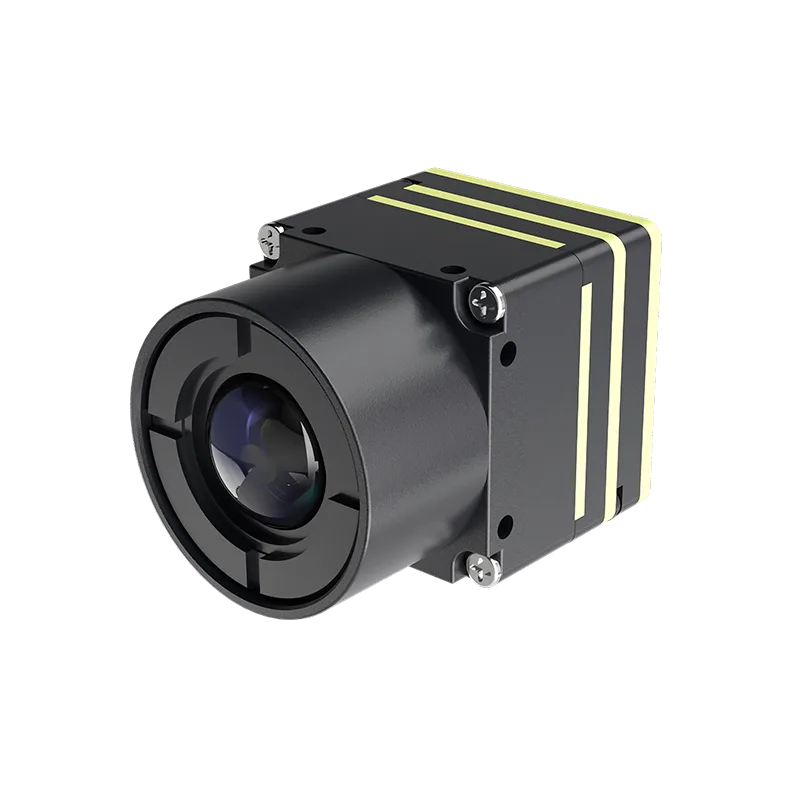
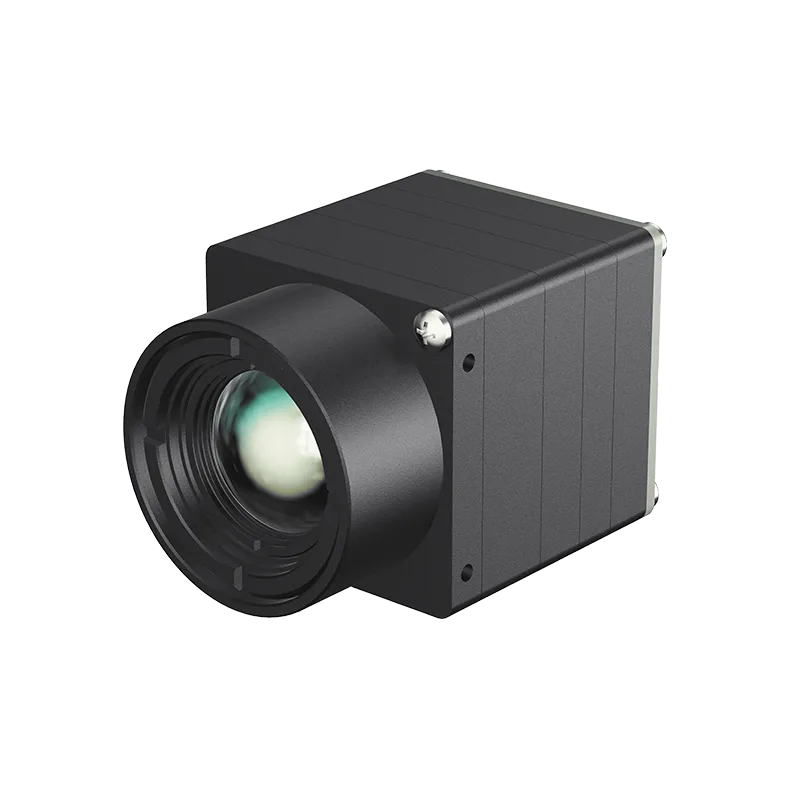
Raytron Microelectronics offers a broad range of LWIR thermal modules to meet different imaging and integration requirements.
Wide Range of Configurations
The portfolio covers multiple resolution and pixel-pitch options, with fixed-focus, zoom, and athermalized lens configurations available for different imaging requirements.
Flexible Integration
Lens focal lengths from 4mm to 100mm are available, together with interfaces including DVP, BT656, USB 2.0, MIPI, and Ethernet, supporting integration into different end products.
Development Support
SDKs and command sets are available to support further development, with imaging and temperature-measurement functions already integrated into the development framework.
SWIR and MWIR Modules
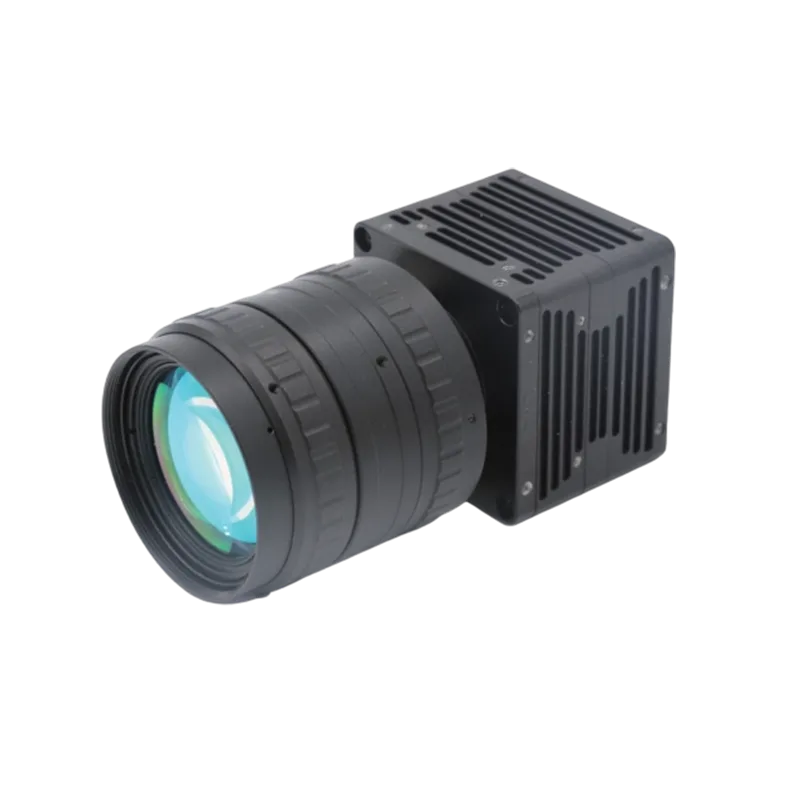
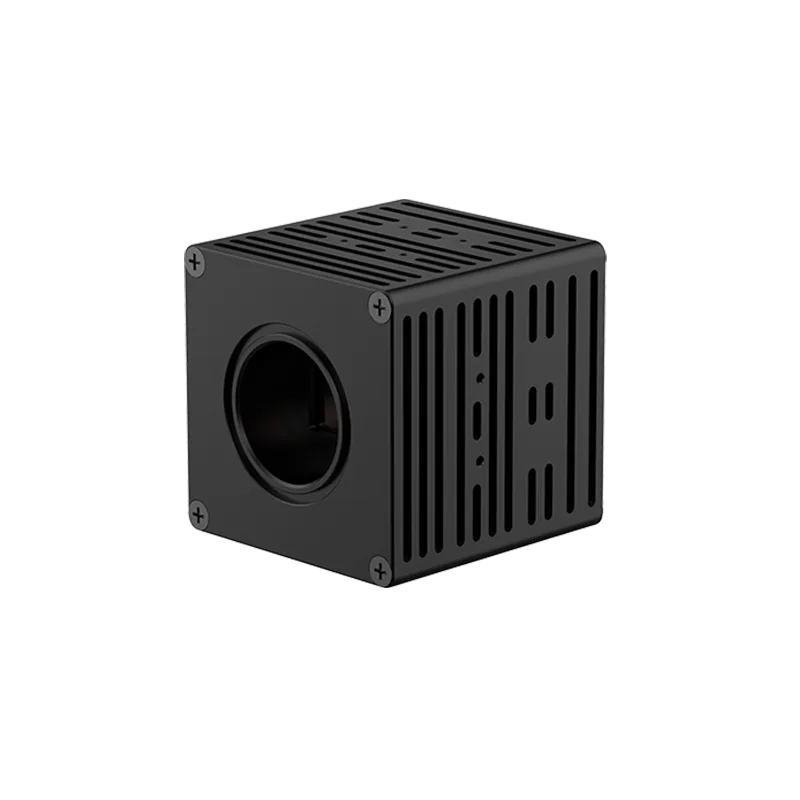
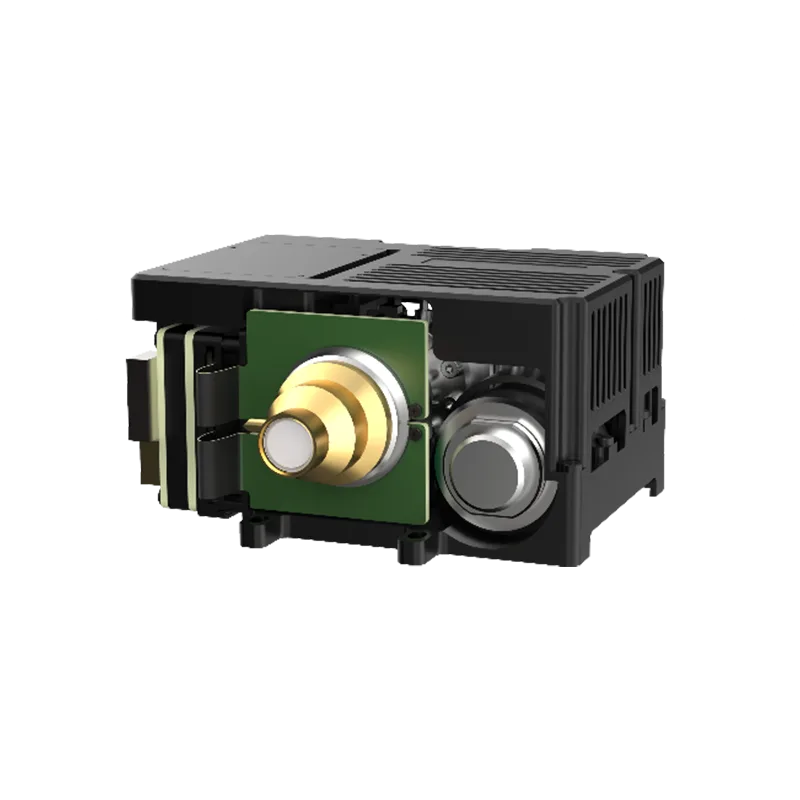
In addition to LWIR modules, Raytron Microelectronics also provides SWIR products such as Keen B615 and Pr-GE, as well as Photon Series MWIR cooled infrared modules, offering additional options for different imaging requirements.
Conclusion
Infrared thermal imaging extends monitoring beyond visible appearance by adding temperature information that can reveal changes that conventional imaging may miss. Across industrial facilities, site perimeters, transportation environments, and fire early warning, thermal data provides another dimension for understanding changing conditions.
With LWIR, SWIR, and MWIR options available, thermal imaging can also be adapted to different imaging and integration requirements.