
Compare thermal camera modules and complete thermal cameras by size, lenses, integration work, data access, and total cost for OEM applications. This guide compares the two options to help OEMs and system integrators identify the right solution for their applications.
What Is the Difference Between a Thermal Camera Module and a Complete Thermal Camera?
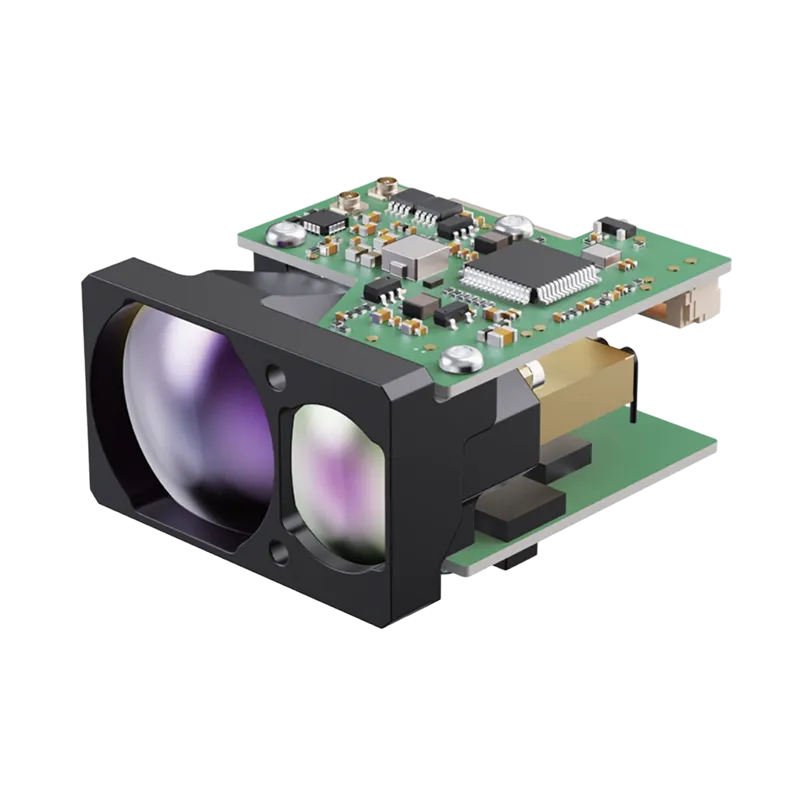
A thermal camera module is an imaging assembly that typically contains an infrared detector and supporting electronics. Depending on the configuration, it may also include a lens, image processing, and temperature measurement functions. It is usually integrated into a host device that provides the enclosure, power supply, and user interface.
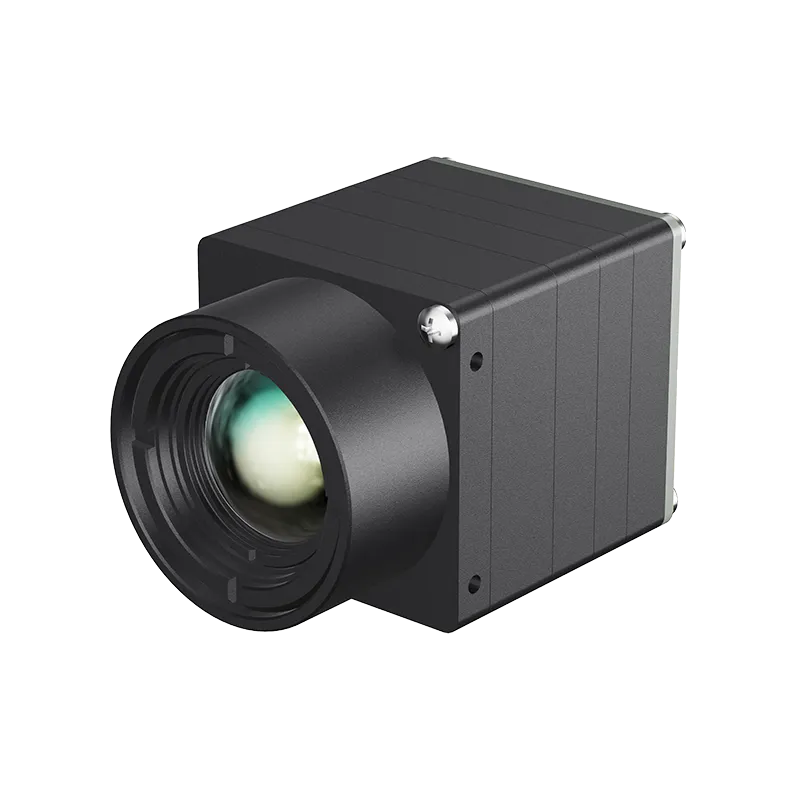
A complete thermal camera combines the detector, electronics, optics, and other components in a standalone camera body. It typically includes mounting features and external connections for installation and communication with a monitoring system. Neither option is universally better. The right choice depends on application requirements and system design.
How Do Size, Lenses, and Environmental Protection Affect the Choice?
Size and Mounting
Modules offer flexibility when thermal imaging must fit inside a custom enclosure, such as a handheld inspection instrument or a compact multisensor device.
Complete cameras have their own housing and mounting points, making them suitable for installation beside production lines or on industrial machinery. However, the camera body, lens, and cable connections must fit the available space.
Lens and Field of View
Lens selection determines the field of view and the level of detail visible at a given distance. A wide field of view covers a larger area, while a narrower field of view may be better for inspecting smaller targets from farther away.
Complete cameras generally offer predefined lens configurations. Modules may allow more flexibility for custom optical arrangements, depending on compatibility and supplier capabilities.
Before selecting either option, confirm the working distance, target size, required field of view, and temperature measurement requirements.
Dust and Water Protection
A module typically relies on the host device for environmental protection. If installed in an exposed location, it may require an additional protective enclosure.
A complete thermal camera may provide a specified ingress protection rating through its own housing. Check that the rating, cable sealing, and operating temperature range meet the actual installation conditions.
How Will You Access Thermal Images and Temperature Data?
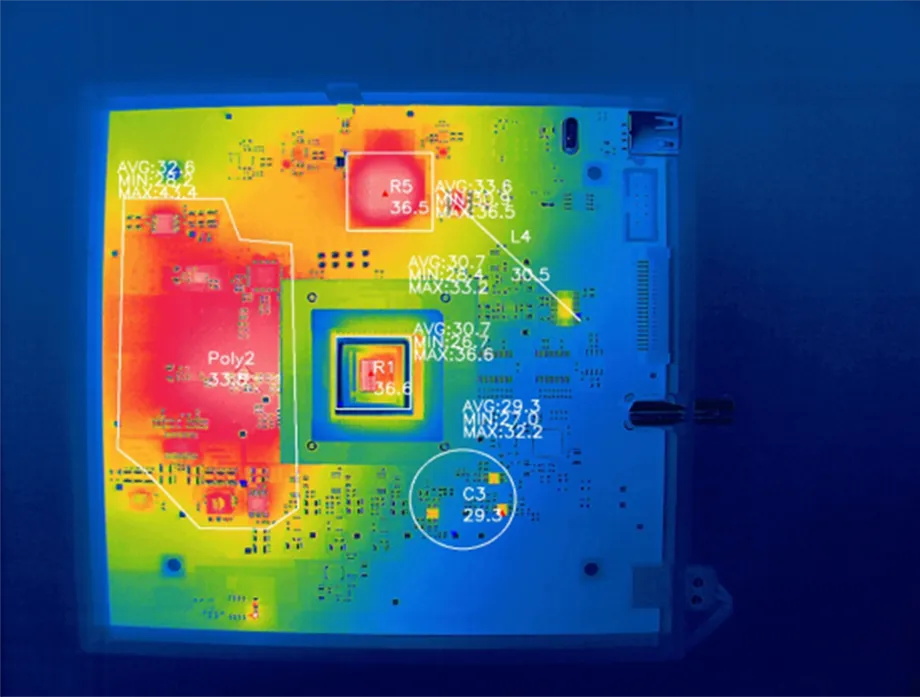
Different applications require different levels of data access. Some need only thermal video, while others require point temperatures, maximum temperatures within a region, or alerts when a threshold is exceeded.
Modules deliver images and data through supported interfaces and the host system. Additional software development may be needed to display images or process measurements.
Complete cameras may support viewing software, network communication, measurement tools, or alarm outputs, depending on the configuration.
Before purchasing, verify image resolution, frame rate, communication protocols, radiometric data availability, and software compatibility. A thermal image does not necessarily contain the numerical temperature data required for analysis.
How Much Integration Work Is Needed?
A module generally requires more development work, including mechanical integration, power and data connections, and potentially software development. The workload depends on the functions already supported by the module and the capabilities of the host device.
A complete thermal camera reduces camera-level hardware development because its main components are already assembled. Installation, configuration, and connection to the receiving system are still necessary.
OEM buyers should clarify which components, software, and accessories are included and who is responsible for the remaining integration work.
Which Option Is More Cost-Effective?
A module may offer a lower overall cost when the host device already provides a processor, display, enclosure, and power supply. This can be especially beneficial for high-volume production.
However, engineering, prototyping, testing, and integration can offset the initial hardware savings.
A complete thermal camera may be more economical for projects with only a few monitoring points because less custom development may be required.
For a fair comparison, include hardware, lenses, accessories, integration, installation, maintenance, and replacement costs. The best option is the one that meets the requirements at a reasonable total lifecycle cost.
When Should You Choose Each Option?
Choose a Thermal Camera Module When:
- Thermal imaging needs to be embedded into a custom product.
- Space and internal component layout are important.
- The host device already provides a display, processor, or user interface.
- Customized optics or interfaces are required.
- Production volume justifies the integration effort.
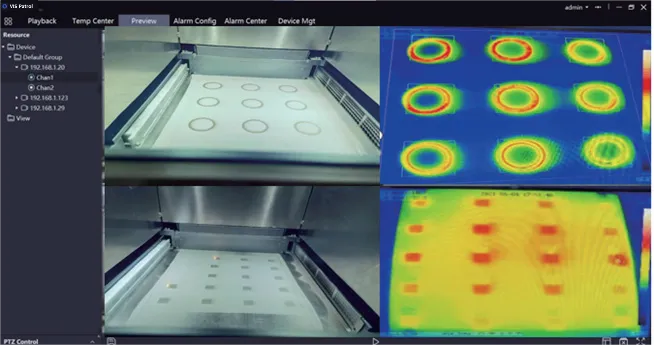
Choose a Complete Thermal Camera When:
- You need to add a standalone thermal monitoring point.
- The camera will be installed beside industrial equipment or a production line.
- A standard camera configuration meets the application requirements.
- You want to reduce custom mechanical and hardware development.
- Multiple monitoring points can use a consistent camera setup.
Conclusion
A thermal camera module is generally better suited to customized products and embedded imaging systems, while a complete thermal camera is often more practical for standalone inspection and continuous monitoring.
Before making a decision, define the required image quality, temperature measurement capabilities, lens configuration, environmental conditions, data interfaces, and production quantity. Comparing integration or installation costs alongside hardware prices will help you select the right solution.
Frequently Asked Questions
Can a thermal camera module be tested before integration?
Yes. If an evaluation setup or development interface is available, developers can test thermal images and supported functions before incorporating the module into the final product.
Can a thermal camera trigger temperature alarms?
Yes, if the camera or connected software supports temperature measurement and threshold alerts. Confirm where the alarm is processed and how it is transmitted.
Can focus be adjusted after installation?
That depends on the lens configuration. Some cameras support motorized focus, while others use manual or fixed-focus lenses.
Can temperature values be read from a saved thermal image?
Only if the file retains compatible radiometric data and the software supports reading it. A standard image may preserve only the displayed colors, not the underlying temperature information.