
In a chemical park late at night, a robot dog makes its rounds without a sound. It needs no lights. The heat radiating from equipment is enough for it to “see” the temperature of every pipe, spotting overheating and leaks at a glance.
At a smoke-filled fire scene, a rescue robot goes in first. Its visible-light camera has gone “blind,” but its infrared eyes see through the smoke and locate the people trapped inside…
This is not science fiction. It is happening now. Infrared technology is already widely used across many types of robots.
Where Robots Are Mainly Used Today
Robots left the lab long ago and now work across nearly every industry. Today, their use falls mainly into four areas:
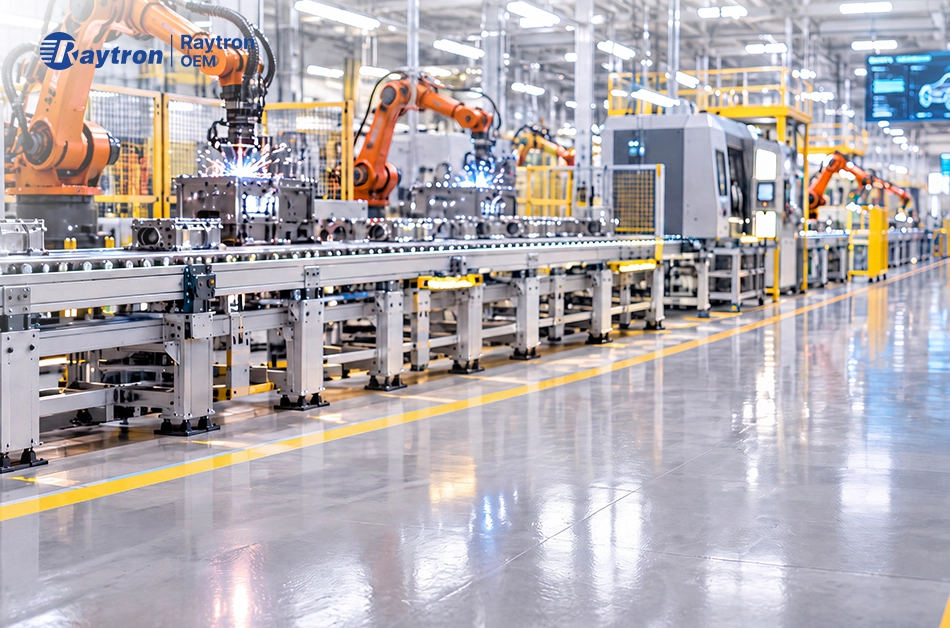
Industrial manufacturing: From six-axis robotic arms on automotive welding lines to precision assembly in consumer electronics plants, and with the rise of collaborative robots, human-robot co-production is becoming increasingly common.
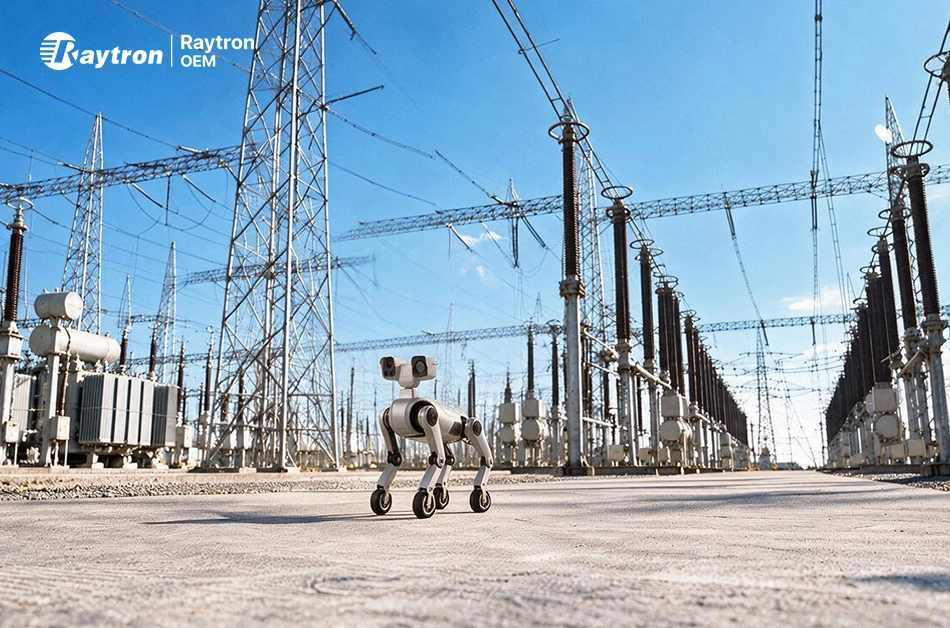
Inspection and maintenance: Power inspection robots check for high-voltage hazards, and petrochemical inspection robots monitor for leaks around the clock. These scenarios share three traits: hazardous environments, high labor costs, and the need for nonstop operation. The arrival of quadruped robots (robot dogs) has taken inspection into the era of all-terrain coverage.
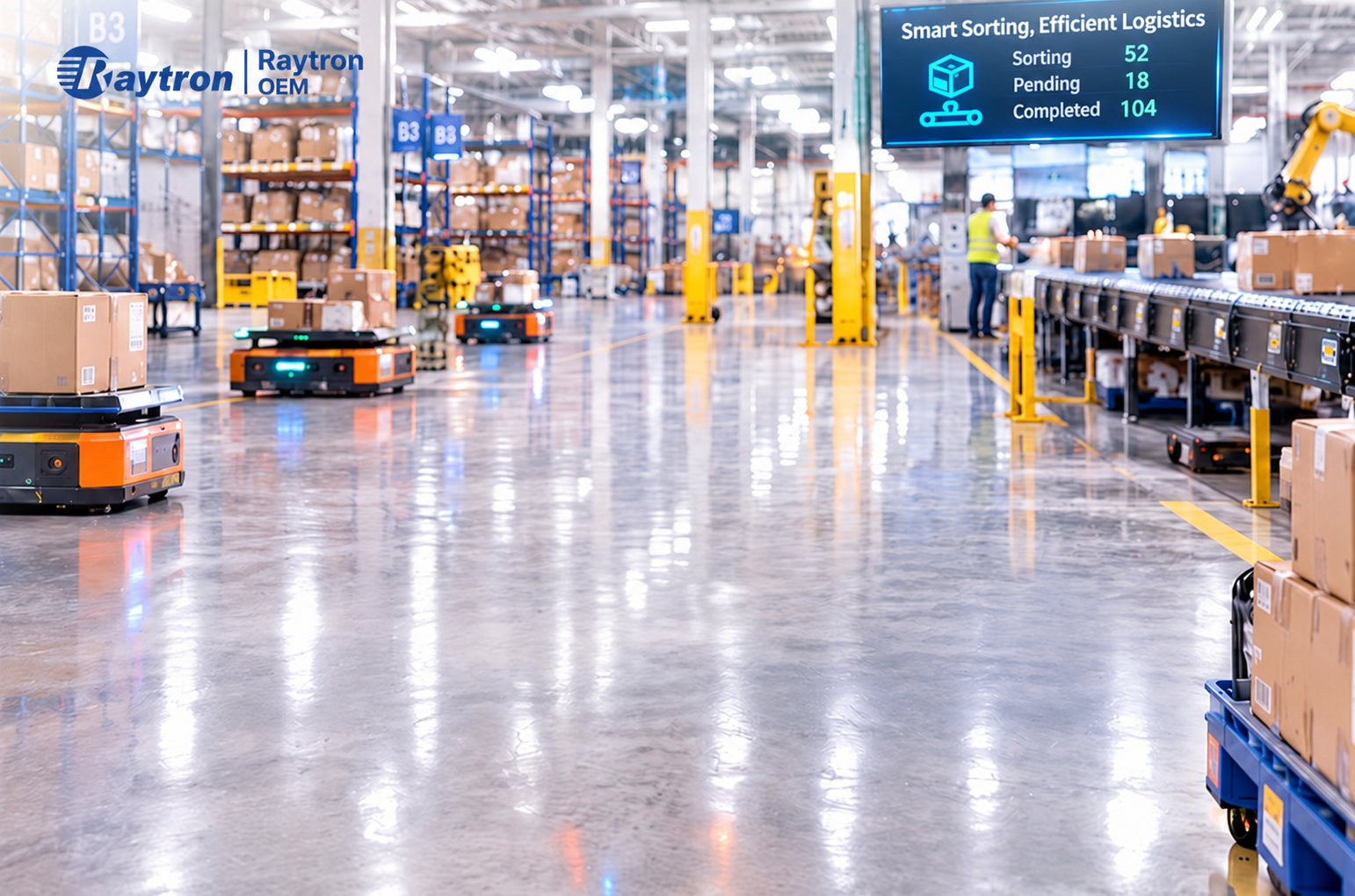
Logistics and warehousing: AGVs and AMRs (automated guided vehicles and autonomous mobile robots) weave through warehouses, sorting goods.
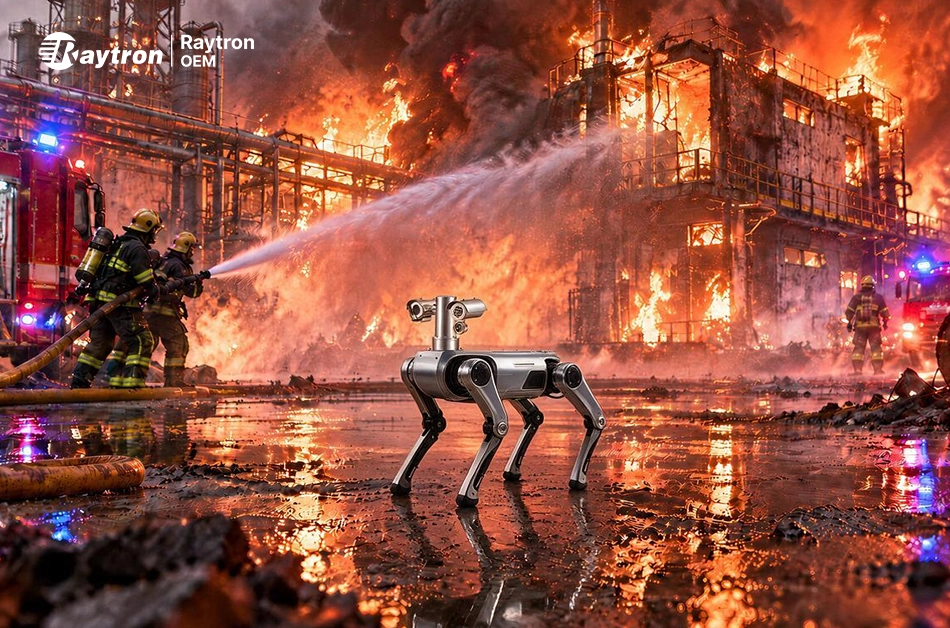
Public services and emergency response: Firefighting robots move in to fight active fires.
The industry is calling 2026 the “first year of humanoid robot mass production.” Breakthroughs in embodied intelligence mean robots no longer just repeat fixed motions. They can understand their environment and make decisions on their own.
Visible-light cameras go “blind” in darkness, smoke, and glare, and more importantly, they cannot see temperature. Yet temperature is one of the most important pieces of information in industrial, security, and firefighting scenarios, and infrared technology is one of the key technologies robots rely on to solve these pain points.
Where Infrared Technology Fits in Robot Operations
Intelligent Inspection: Quadruped Robots
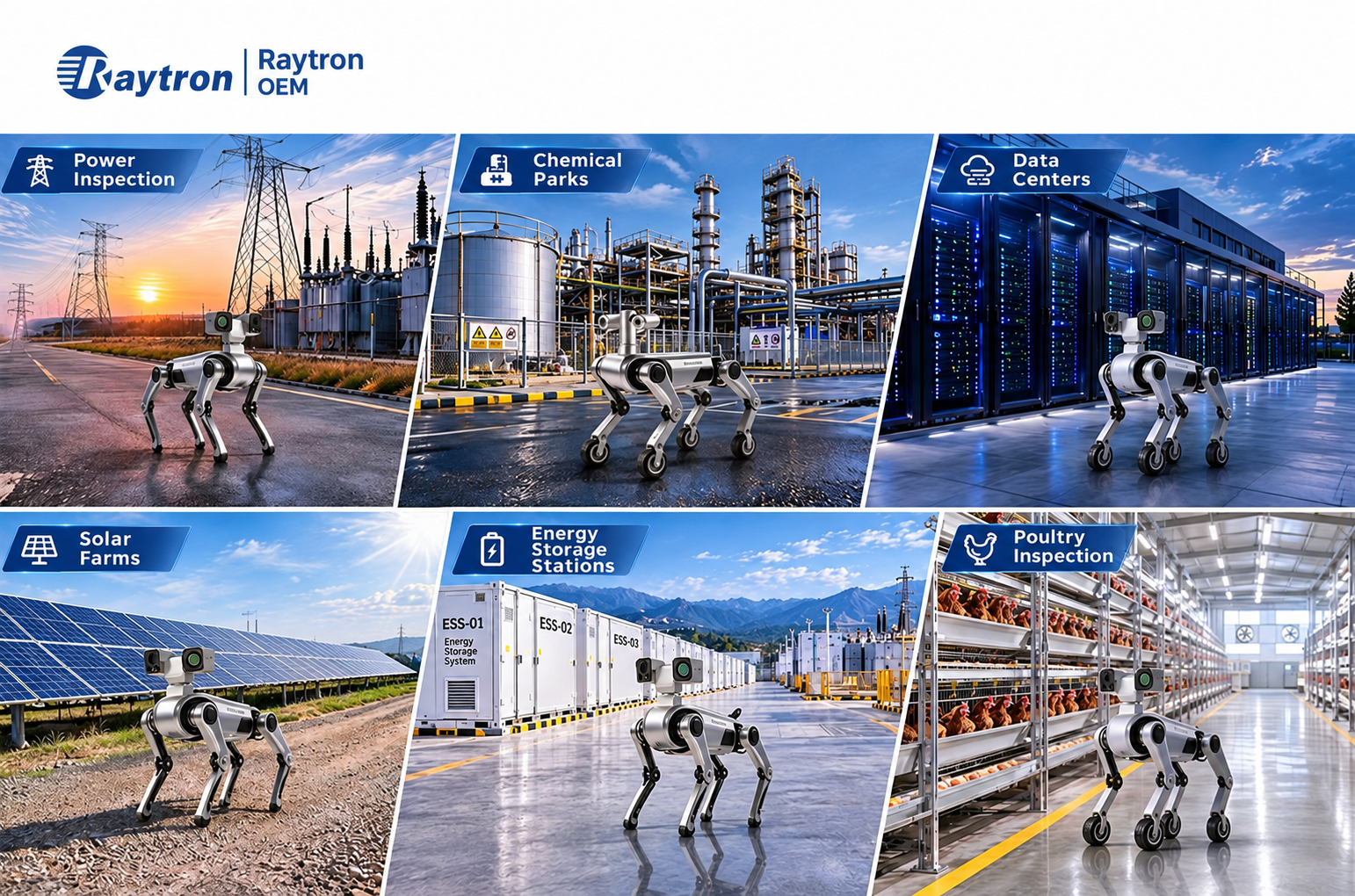
Power inspection is a very mature application for infrared inspection robots. Wheeled or rail-mounted robots patrol around the clock, monitoring temperature changes in key equipment such as transformers, disconnect switches, and busbars.
Chemical parks have dense piping and closely spaced valves, and manual inspection is inefficient and exposes workers to toxic gas. Inspection robots equipped with long-wave infrared (LWIR) and mid-wave infrared (MWIR) can both monitor equipment for abnormal temperatures and detect gas leaks.
Data centers are extremely temperature-sensitive. Server overheating can cause downtime, and traditional fixed sensors leave many blind spots. Inspection robots move through the cabinet aisles and use LWIR to pinpoint hot spots.
Solar farms cover large areas with huge numbers of panels. Inspection robots equipped with infrared can quickly scan PV arrays and find damaged cell modules through the hot-spot effect, far more efficiently than manual inspection.
Energy storage stations are the fastest-growing emerging scenario. Thermal runaway in lithium batteries is a major concern for the industry. LWIR inspection robots can monitor battery module temperatures around the clock and raise an alert the moment an abnormal temperature rise appears.
Livestock farming spans poultry, hog, and beef cattle operations. LWIR robots that patrol autonomously can detect poultry mortality, among other tasks.
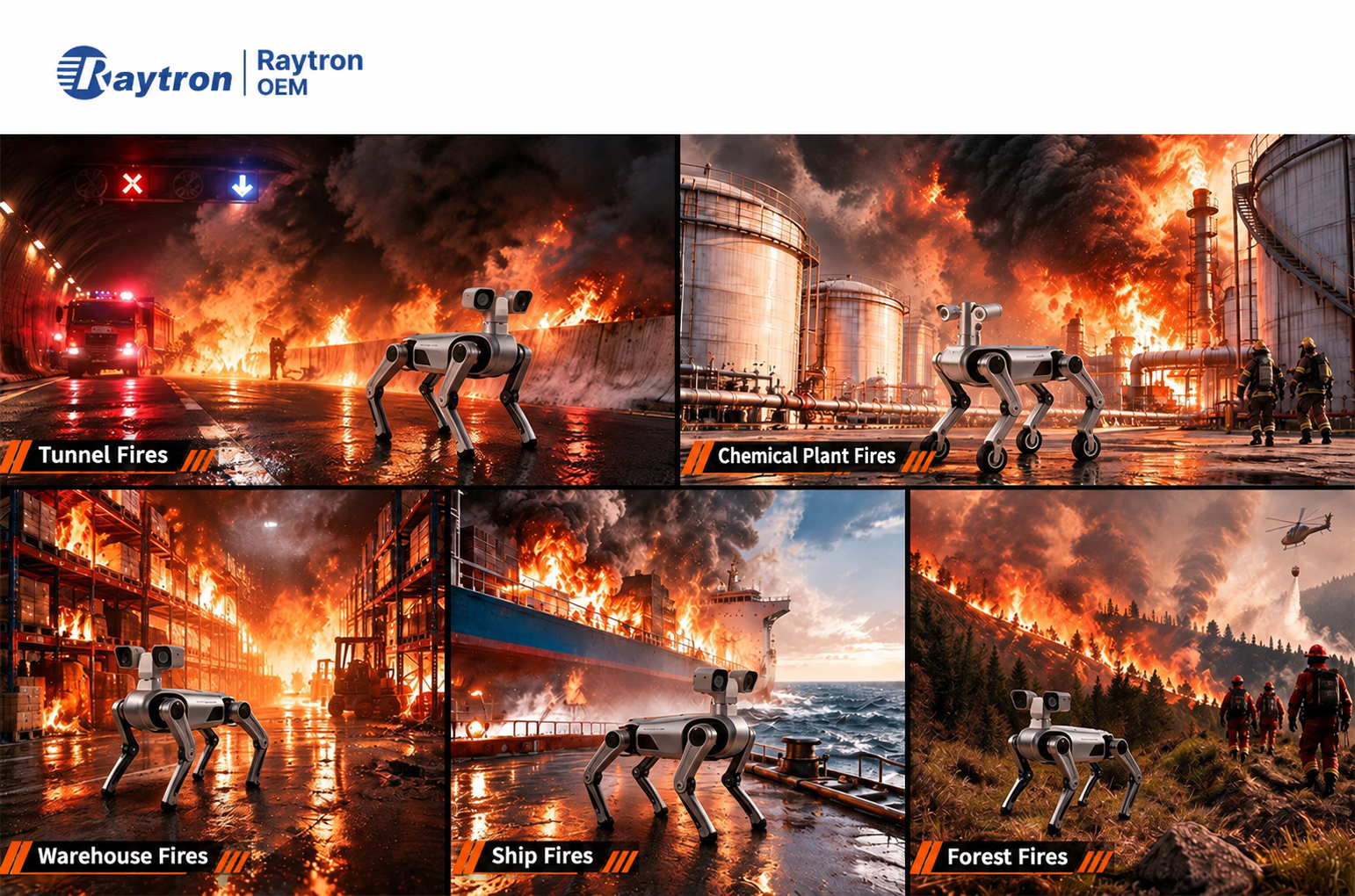
Emergency Firefighting: Quadruped Robots
Tunnel fires are the classic scenario for firefighting robots. Tunnels are enclosed and smoke is slow to disperse. Once a tracked firefighting robot drives in, it uses LWIR to search for trapped people and MWIR to monitor how the fire is developing.
Chemical plant fires are the most dangerous: high temperatures, toxic fumes, explosive materials, and the constant risk of secondary explosions. Firefighting robots can go into the core area in place of firefighters to assess the fire, extinguish it, and detect toxic gases.
Warehouse fires involve large floor areas, densely packed shelving, and thick smoke, so firefighters can easily lose their way once inside. Firefighting robots equipped with LWIR can identify heat sources through dense smoke, locate the seat of the fire, and search for trapped people.
Ship fires are regarded as some of the hardest fires to fight: complex structures, narrow passageways, and plenty of combustible material. Small robots can enter the hull to assess conditions, using infrared to find the fire source and trapped people.
Forest fires have been on the rise in recent years. Firefighting robots work together with civilian drones: ground robots operate along the edge of the fire, while civilian drones overhead use infrared to monitor how the fire is spreading.
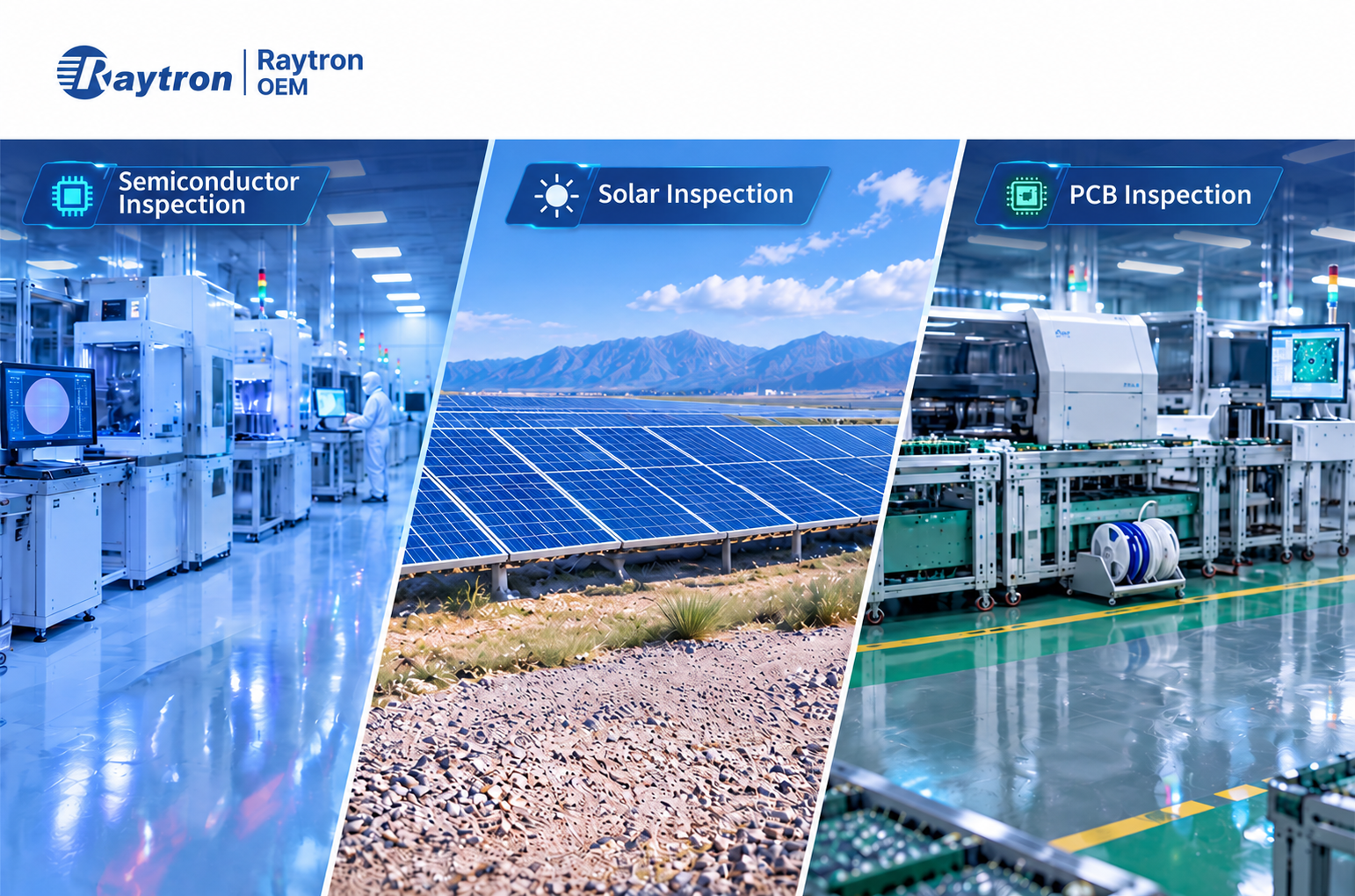
SWIR Inspection Robots for Semiconductors, Solar, and PCBs
Silicon is almost transparent at 1.0–1.3 μm, so short-wave infrared (SWIR) can see through a chip to inspect what is inside: hidden cracks in wafers, voids in solder layers, broken grid lines in solar cells, and inner-layer traces in PCBs.
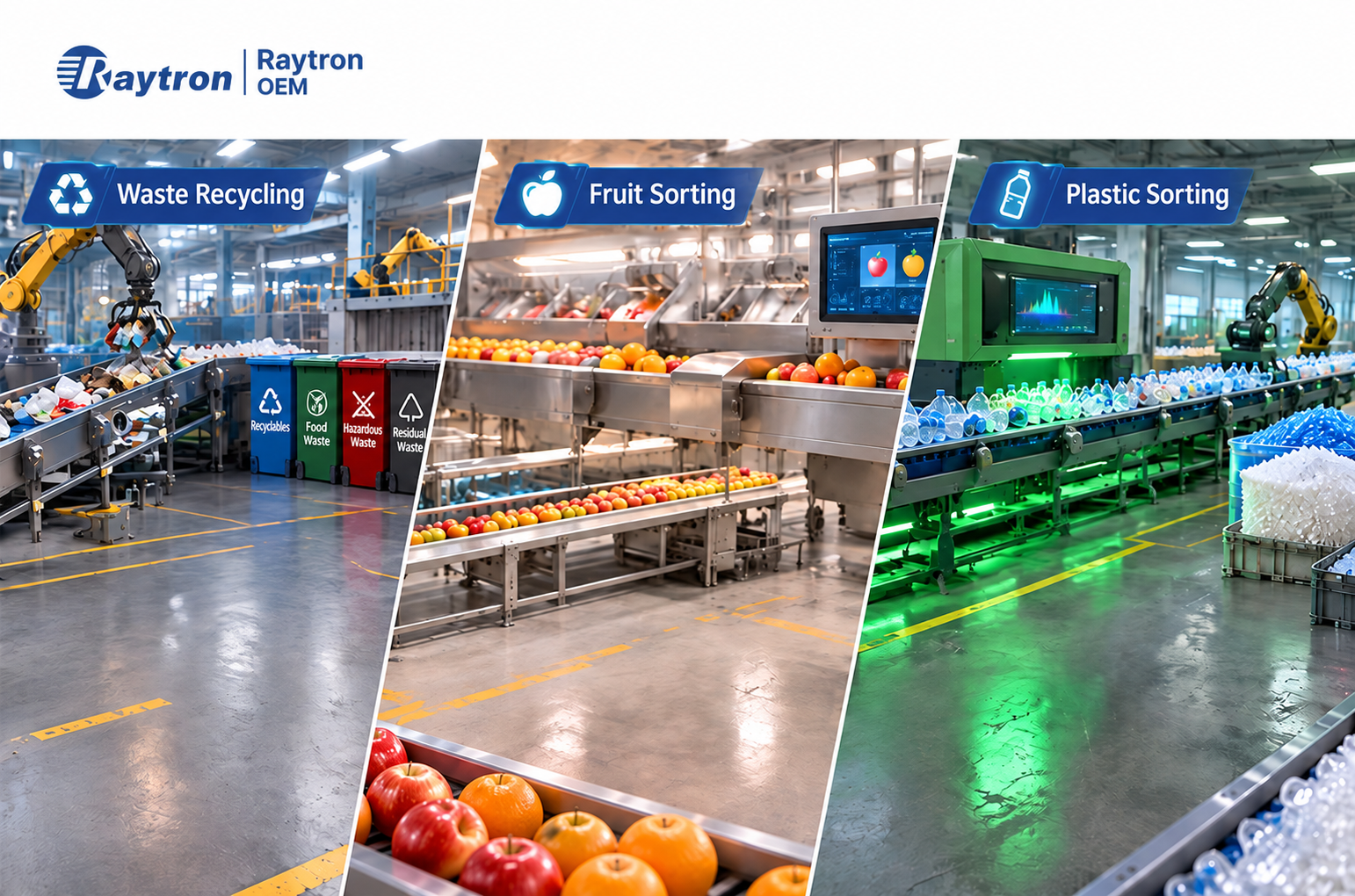
SWIR Sorting Robots for Recycling, Waste Sorting, and Food Sorting
Visible light recognizes color. SWIR recognizes molecular structure. Different materials absorb specific wavelengths to different degrees, and each has a unique spectral fingerprint. Combined with multiband imaging and algorithms, a robot can compare each pixel against a spectral library on the line and sort items as they move.
Plastics: PET, PVC, PP, PE, and PS may share the same color and shape, but their absorption peaks differ.
Textiles: cotton-linen, polyester, and wool absorb in different bands, so even blend ratios can be told apart.
Food: moisture, sugar, fat, and protein each have characteristic absorption wavelengths.
Raytron OEM: Leader in Infrared Thermal Imaging
Raytron OEM is the detector and module brand of Raytron. Raytron is a leading global supplier of core components and subsystems for multimodal sensing.
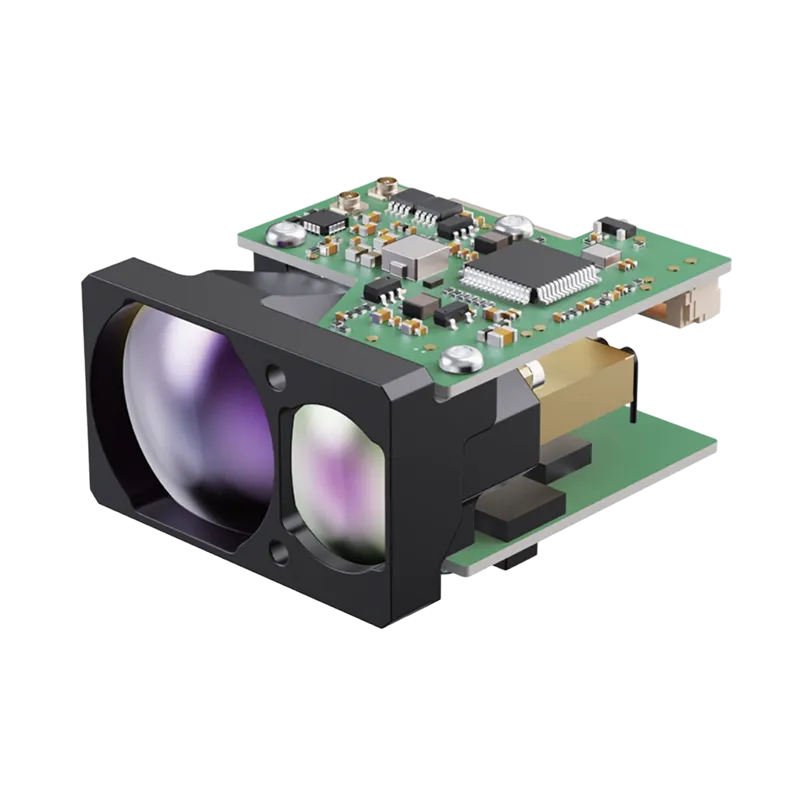
Multimodal sensing devices: Raytron OEM offers SWIR, MWIR, and LWIR product lines alongside a laser ranging module line.
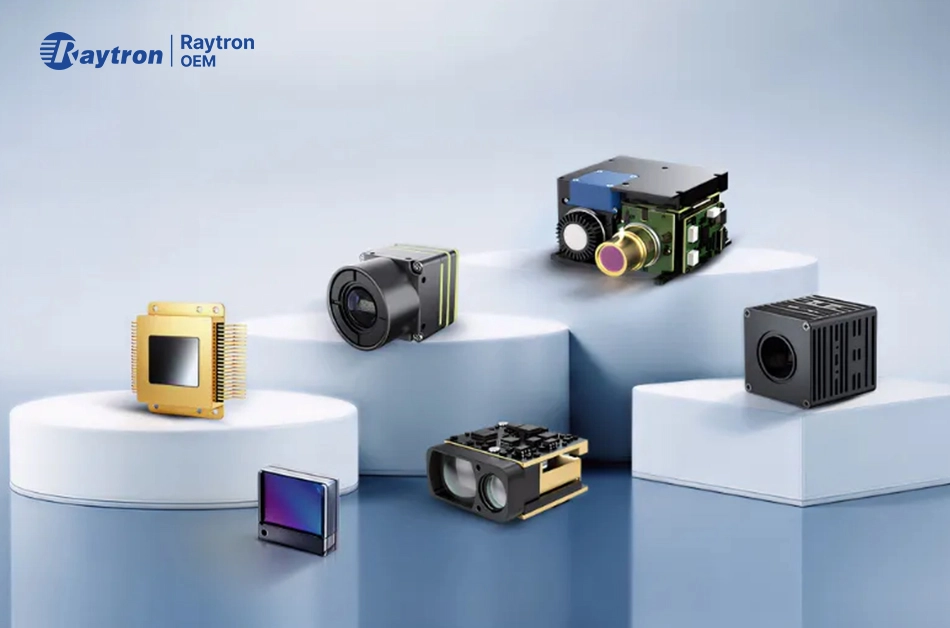
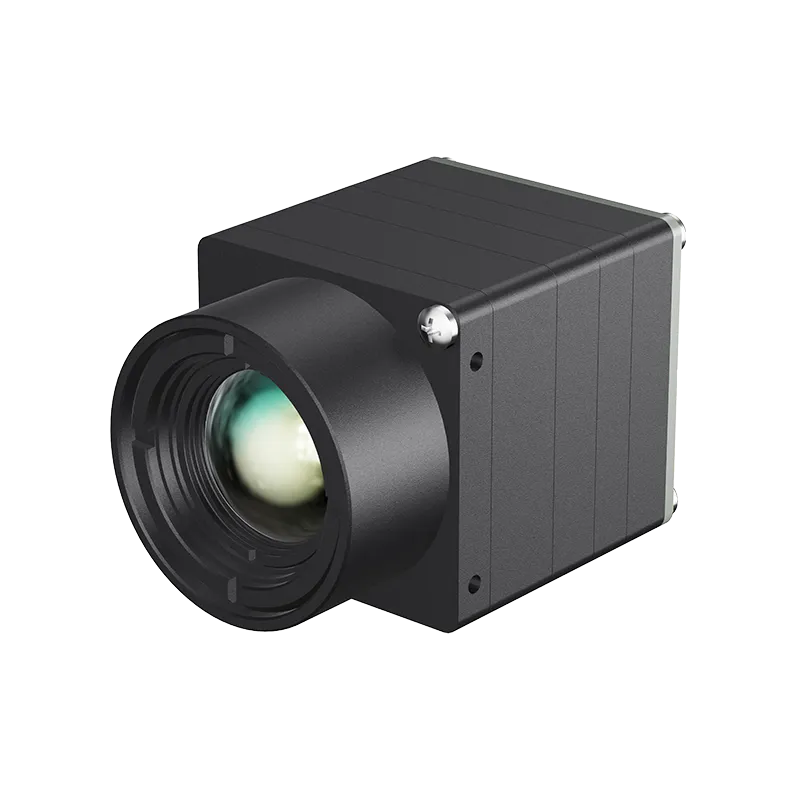
Long-wave infrared (LWIR): Built on in-house infrared detectors and an in-house image-processing chip (ASIC ISP), with 8 μm and 12 μm pixel pitches and resolutions from 160 × 120 to 1920 × 1080. A wide choice of lenses and interfaces covers applications such as power inspection, security and firefighting, and outdoor search and rescue.
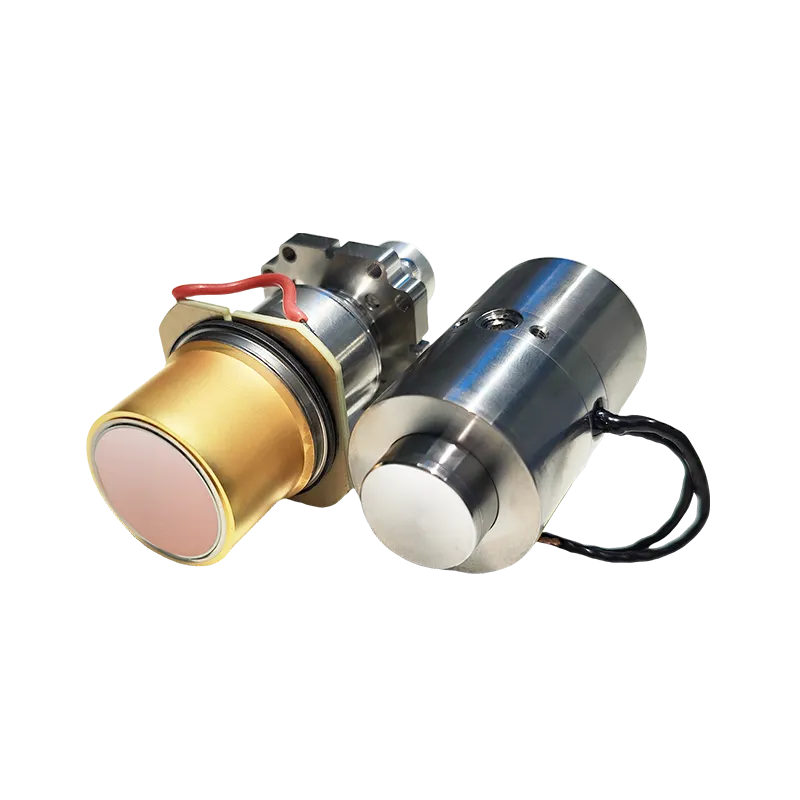
Mid-wave infrared (MWIR): Based on the two mainstream technology routes, mercury cadmium telluride (MCT) and Type-II superlattice (T2SL), with everything from the detector to the camera core developed in-house. Three product series (MCT imaging, T2SL HOT imaging, and gas detection) suit applications such as smart safety, smart inspection, and gas detection.
Short-wave infrared (SWIR): Includes area-scan and line-scan cameras built on in-house SWIR detectors with InGaAs photosensitive material. Resolutions are 640 × 512 (area scan) and 1024 × 1 (line scan), with a spectral response of 0.9–1.7 μm, covering applications such as machine vision and industrial sorting.
Integration experience: With years of deep experience in infrared and extensive integration know-how, Raytron OEM has many customer deployments in inspection, security and firefighting, and other fields, and can help robot customers in different scenarios get to market quickly.
*All images in this article are AI-generated.
If you have more robot infrared needs, click Contact Us at the top right of the page or the phone icon on the right side of the screen. In the Content box, tell us the product you are interested in and your application scenario, and we will get back to you promptly.