
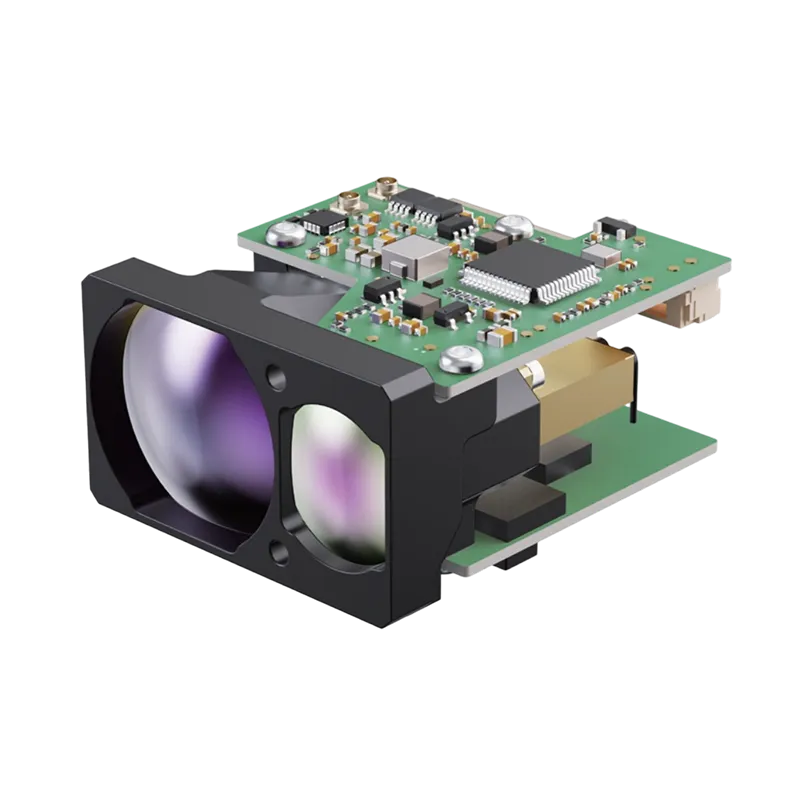
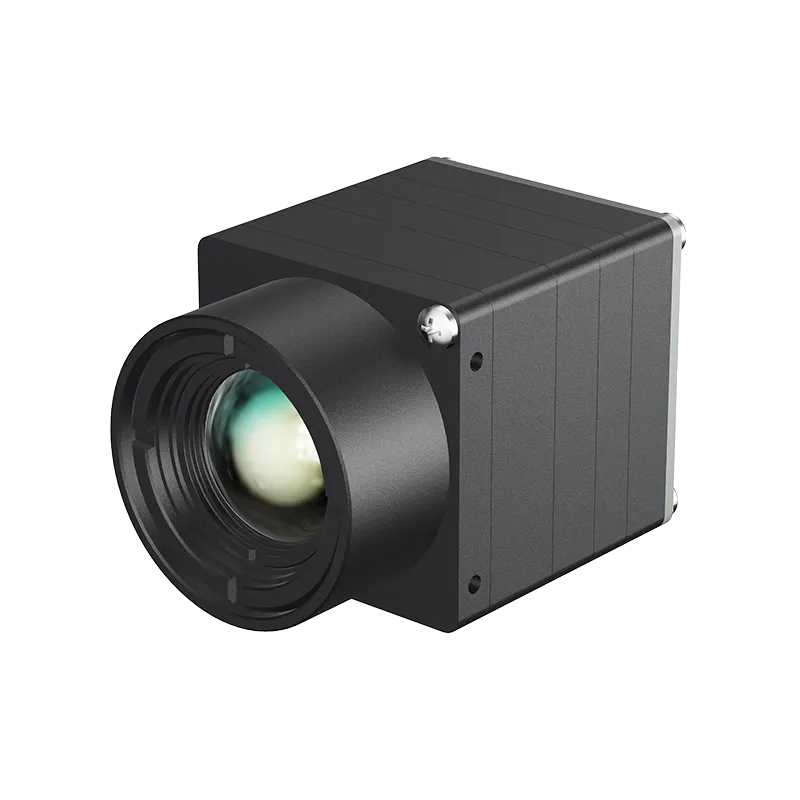
Infrared thermal imaging makes heat visible by detecting infrared radiation emitted by objects. Unlike visible-light imaging, which captures surface appearance, thermal imaging reveals temperature differences across a scene and presents them in a visual form. This allows users to identify heat patterns, compare temperature variations, and gain useful insights across a wide range of professional applications.
What Is Infrared Thermal Imaging?
Infrared thermal imaging uses an infrared detector and optical system to capture infrared radiation from a scene and convert it into a thermal image.
Instead of reproducing visible colors and textures, thermal images represent temperature differences across an object or scene. Different colors or grayscale levels can indicate different temperature ranges, making warmer and cooler areas easier to distinguish.
This gives thermal imaging a different role from conventional cameras. While visible-light images mainly show surface appearance, thermal images provide information about how heat is distributed across an object or scene, revealing conditions that may not be obvious from visual inspection alone.
How Does Infrared Thermal Imaging Work?
All objects above absolute zero emit thermal radiation, including infrared radiation. The amount of infrared radiation emitted varies with factors such as temperature and surface properties.
A thermal imaging system collects this infrared radiation through its optics and focuses it onto an infrared detector. The detector converts the incoming infrared radiation into electrical signals, which are then processed to generate a thermal image.
The resulting image shows the distribution of thermal radiation across the scene, allowing users to identify temperature differences that may otherwise go unnoticed.
What Are the Key Applications of Infrared Thermal Imaging?
By revealing temperature differences, infrared thermal imaging can be used across a wide range of applications.
Industrial Inspection
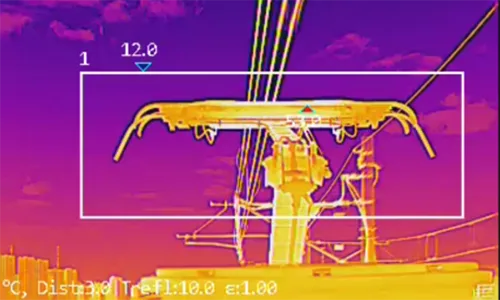
For industrial equipment, thermal imaging can help monitor the condition of electrical and mechanical systems. For components such as transformers and motors, abnormal temperature patterns can indicate developing problems that may not yet be visible.
Thermal imaging also helps locate overheating areas more quickly, supporting earlier maintenance and reducing the risk of equipment damage, unplanned downtime, and related maintenance costs.
Building Inspection
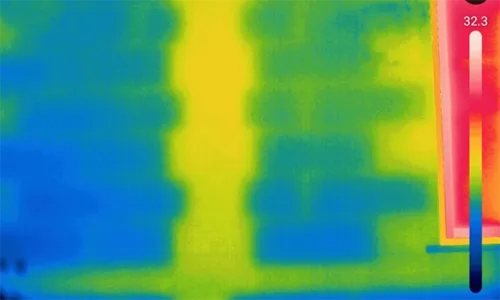
Thermal imaging can help evaluate insulation performance and identify temperature patterns associated with heat loss or leakage. These patterns can reveal weak areas within a building structure that may require further attention.
This information gives engineers a clearer basis for targeted inspection, repair, and improvement, rather than relying only on visible signs of building defects.
Medical Applications
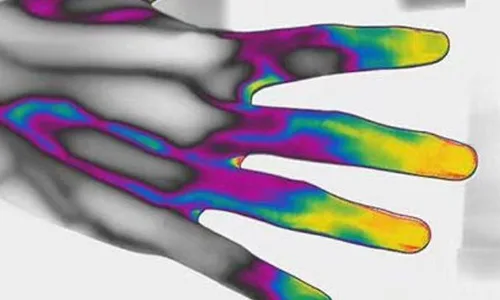
Thermal imaging can visualize temperature distribution across the surface of the human body, providing supplementary information that may support medical assessment. Abnormal surface temperature patterns can serve as reference information for further examination.
It can also be used during rehabilitation or treatment monitoring to observe changes in temperature distribution over time, providing a useful reference for tracking recovery progress.
Security and Monitoring
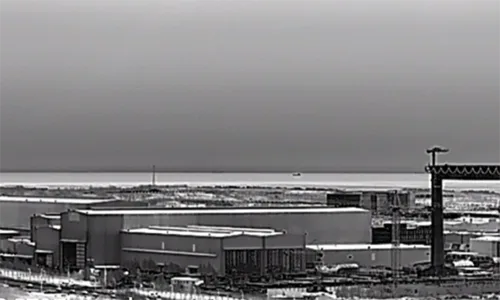
Thermal imaging can capture thermal information in nighttime or low-visibility conditions, where conventional visible-light imaging may be less effective. This supports more consistent monitoring when lighting conditions are limited.
The ability to detect thermal signals under these conditions can also support earlier awareness of unusual activity and provide additional information for monitoring and warning systems.
Conclusion
Infrared thermal imaging is becoming more than a way to visualize heat. It is increasingly used to capture temperature data that can be analyzed, integrated, and applied across different systems and workflows. Its growing value lies not only in visualizing heat, but also in making thermal information easier to analyze, integrate, and use in practical applications.
As detector technology, image processing, and system integration continue to advance, thermal information can play an increasingly useful role across a wider range of professional products and solutions.