

In the realm of process defect detection, the thermal imaging sensor module identifies product anomalies by analyzing the temperature distribution of objects. It can pinpoint hot spots or cold spots within materials, uncovering potential flaws like cracks, uneven heating, or internal damage. Its key strengths lie in its non-destructive testing, contactless operation, rapid response, and high sensitivity, making it well-suited for real-time monitoring and automated production lines to significantly boost detection efficiency and product quality.
- Semiconductor manufacturing inspections, automotive component quality control, electronic device testing, and food processing quality assurance.
- With its high-resolution imaging capabilities, it can discern minute temperature variations and defects.
- The automatic temperature anomaly alert system provides real-time feedback on potential issues.
- Its multi-spectral analysis capacity facilitates the differentiation of various types of material defects.
- It supports customizable built-in user interfaces to cater to individual customer needs.


In the realm of sorting and quality control, the short-wave thermal sensor camera module can differentiate various materials or detect product defects by analyzing the thermal properties of objects. It remains unaffected by color, shape, or texture, capable of penetrating certain materials to unveil concealed cracks or irregularities. The primary strengths of thermal cameras lie in their rapid responsiveness and contactless nature, enabling automated, continuous detection processes that improve production efficiency, ensure product quality, and reduce errors and costs associated with manual inspection.
- Automated quality inspection systems, devices for material identification and sorting, devices for detecting product defects, safety monitoring systems, and medical imaging devices.
- The ability to detect multiple materials allows for distinguishing the thermal properties of different materials.
- The penetrative detection function can uncover defects or inconsistencies within the materials’ interiors.
- Real-time data processing enables quick responses to changes on the production line.
- Automated report generation facilitates documenting test results and producing quality control reports.


In the in-line inspection process, the high-resolution thermal camera module captures thermal radiation images of objects to monitor the real-time temperature distribution on the production line. This technology swiftly identifies hot spots or cold spots in products, enabling the detection of potential defects or inconsistencies. The advantage of the thermal camera module lies in its high speed and sensitivity, allowing non-contact detection without causing damage to the products, thereby enhancing efficiency and accuracy in inspections.
- Automated production line monitoring systems, product quality control devices, electronic component inspection machines, food processing monitoring, and pharmaceutical process monitoring.
- The high-speed image capture capability aids in adapting to fast-moving production lines.
- Precise temperature measurement and analysis ensure the accuracy of defect detection.
- Machine learning algorithms are used for identifying and categorizing various types of defects.
- Easily integrable interfaces facilitate seamless integration with existing production line control systems.

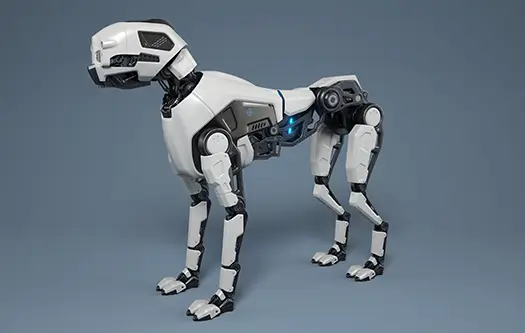

In the field of robotics, the thermal camera sensor module plays a vital role by detecting objects’ thermal radiation to identify the environment and targets. This technology provides robots with the ability to navigate and recognize obstacles in low-light or pitch-dark conditions. Additionally, during search and rescue missions, the thermal camera module can detect the heat signals emitted by trapped individuals, thus enhancing the efficiency and accuracy of rescue efforts. Furthermore, unaffected by changes in lighting conditions, thermal cameras provide robots with stable and reliable visual input.
- Search and rescue robots, autonomous driving vehicles, industrial inspection devices, security monitoring systems, and medical diagnostic devices
- It supports the development of automatic target recognition and tracking modes to swiftly locate and continuously monitor target objects.
- By employing multi-spectral fusion technology, combining visible light and infrared images, it provides richer environmental information.
- Utilizing environment adaptive algorithms allows it to adjust to varying lighting conditions and background noise.
- Featuring real-time data analysis and feedback systems enables prompt responses to environmental changes and decision-making.
